Spiti Valley Tour - Best Time, Route from Manali/Shimla & What a Real Itinerary Looks Like
Spiti Valley isn't a weekend hill-station trip — it's a cold desert at over 12,000 feet, cut off from the rest of Himachal for nearly eight months of the year, with roads that genuinely test your vehicle and your nerves. If you're searching for a Spiti Valley tour, you probably already know it's not "just another Himachal package." Here's what you actually need to know before booking one: when to go, which route to take, and what a realistic itinerary looks like once you strip away the Instagram version.
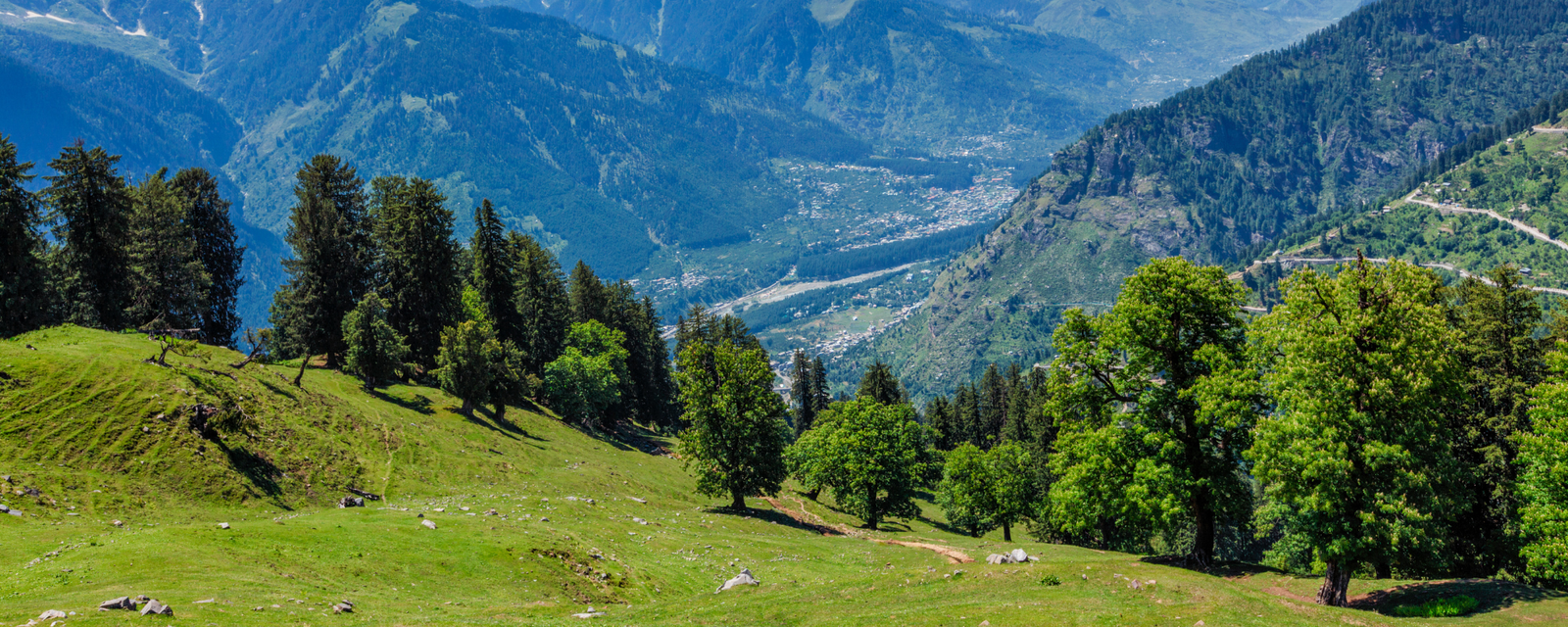
Best Time to Visit Spiti Valley
Spiti is accessible by road only
from around June to early October. Outside this window, the high passes
connecting it to Manali and Shimla are buried in snow and officially closed.
●
June to mid-July: Roads have just opened, landscapes
are still fresh from the snowmelt, and you'll see fewer crowds — but river
crossings on the Manali side can be tricky as glacial melt peaks.
●
Mid-July to August: This overlaps with monsoon in the
rest of Himachal, but Spiti sits in a rain shadow, so it stays largely dry. The
Shimla-Kinnaur route can still see occasional landslides in this window, so the
Manali side is generally more stable during these months.
●
September to early October: Widely considered the best
window. Clear skies, stable roads, golden autumn colors across the valley, and
noticeably thinner crowds than peak summer.
If you want to see "White
Spiti" under snow, a small number of tour operators run winter departures
via the Shimla-Kinnaur route (which stays open year-round, unlike the Manali
side), but this is a specialized, high-difficulty trip — not a first-timer's
plan.
Route Options: Manali vs Shimla — and Why the Direction Matters
There are two ways into Spiti,
and the direction you choose isn't just a matter of convenience — it directly
affects your health and comfort at altitude.
Via Manali: This is the
shorter route — about 190–220 km to Kaza, taking roughly 8–10 hours, made
significantly faster since the Atal Tunnel opened. It's dramatic and
adventurous, passing through Rohtang, Gramphu, Batal, and the 4,590m Kunzum
Pass. The catch: you gain over 2,500 meters of altitude in a single day, which
raises your risk of Acute Mountain Sickness (AMS) if you're entering Spiti from
this side.
Via Shimla (through Kinnaur):
This route is longer, taking you through Narkanda, Rampur, Sarahan, Kalpa,
and Nako before reaching Tabo and Kaza — roughly 2 days of driving. It gains
altitude gradually across Kalpa (2,960m), Nako, and then Kaza, giving your body
time to acclimatize properly.
The route experienced tour
operators recommend, and the one we'd genuinely suggest: enter from Shimla,
exit via Manali. You get gradual acclimatization on the way in, avoid the
sharpest AMS risk, and still get to experience the thrilling Kunzum Pass and
Chandratal Lake detour on your way out through Manali. Doing it in reverse —
entering from Manali — is the single most common mistake first-time Spiti
travelers make.
How Long Do You Actually Need?
●
Manali entry and exit only (no full circuit): Minimum
6–7 days, including 2 days of travel each way and 3–4 days in Spiti covering
Kaza, Key Monastery, Kibber, Tabo, Dhankar, and Pin Valley.
●
Full circuit (Shimla in, Manali out, or vice versa):
8–10 days is realistic. This is the version most first-time travelers should
aim for, since it covers Kinnaur's Sangla and Chitkul, Spiti's core villages,
and Chandratal Lake without feeling rushed.
●
Adding Chandratal Lake: Add one extra day if you want
an overnight camping stop at the lake rather than a quick drive-by.
What a Real 8–9 Day Spiti Circuit Itinerary Looks Like
●
Day 1: Chandigarh/Delhi to Shimla — settle in,
acclimatize gently.
●
Day 2: Shimla to Sarahan or Kalpa via Narkanda and
Rampur — first real altitude gain, visit Bhimakali Temple in Sarahan.
●
Day 3: Kalpa to Nako via Reckong Peo — dramatic Kinnaur
landscapes, short walk around Nako Lake.
●
Day 4: Nako to Tabo — visit the 1,000-year-old Tabo
Monastery, one of the oldest continuously functioning Buddhist sites in the
Himalayas.
●
Day 5: Tabo to Kaza via Dhankar — stop at Dhankar
Monastery perched on a cliff edge, check into Kaza.
●
Day 6: Kaza local circuit — Key Monastery, Kibber,
Komic (one of the world's highest motorable villages), and Hikkim's famous
high-altitude post office.
●
Day 7: Kaza to Chandratal via Losar and Kunzum Pass —
camp overnight by the lake if road and weather allow.
●
Day 8: Chandratal to Manali via Batal and the Atal
Tunnel — rejoin civilization, rest in Manali.
●
Day 9: Manali to Chandigarh/Delhi — return journey.
This is a genuine pace, not a
compressed "cover everything in 5 days" version that leaves you
exhausted and altitude-sick. Real Spiti trips need slack built in for road
delays, water crossings, and simply catching your breath — literally, given the
altitude.
A Few Practical Realities Worth Knowing
●
Permits: Indian nationals don't need special permits
for most of Spiti, though a valid photo ID is required at checkpoints. Foreign
nationals need an Inner Line Permit for certain restricted areas near the
Indo-Tibet border, obtainable from the District Magistrate's office in Shimla,
Reckong Peo, or Keylong.
●
Vehicle: A vehicle with good ground clearance is
strongly recommended, especially for the Manali-side stretch between Gramphu
and Batal, which involves multiple water crossings.
●
Connectivity: Mobile network is limited to BSNL/Jio in
patches; don't expect reliable signal once you're deep in the valley.
●
Altitude sickness: Build in acclimatization days, stay
hydrated, and avoid rushing to Kaza on your very first day regardless of which
route you take.
The Bottom Line
A Spiti Valley tour rewards
travelers who respect its terrain and timing — the wrong season, the wrong
direction, or too tight a schedule can turn an incredible trip into an
exhausting one. Done right, with gradual acclimatization and a realistic pace,
it's one of the most unforgettable landscapes India has to offer.
At Royal Rover Holiday, our
Spiti Valley tour packages are planned around proper acclimatization, safe
seasonal windows, and routes that actually match the number of days you have —
not a copy-paste itinerary. Reach out to us and we'll help you plan a Spiti
trip that's genuinely doable, not just good on paper.


Comments
Post a Comment