Self-Drive vs Guided Spiti Valley Tour Packages: Which One Should You Actually Book?
Spiti Valley is one of the few Indian road trips where the self-drive-vs-guided decision genuinely changes your trip, not just your budget. The terrain, altitude, and remoteness make this a different calculation than choosing between self-drive and guided for a Goa or Coorg trip. Here's an honest breakdown of what each option actually involves, so you can pick based on your real experience level, not just what sounds more adventurous.
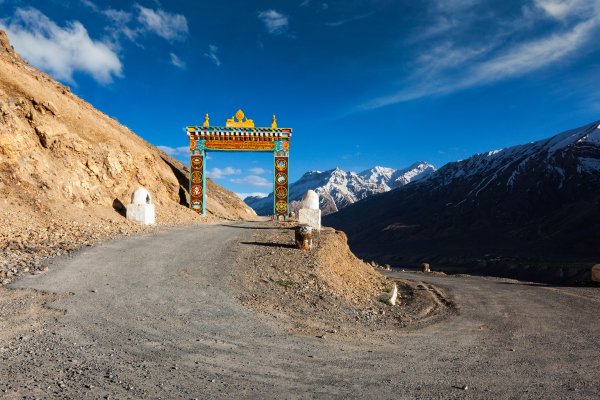
Why This Decision Matters More in Spiti Than Almost Anywhere Else
Spiti isn't a scenic backdrop
for a regular road trip - it's a genuinely demanding high-altitude cold desert
route. Sections
between Gramphu and Losar have no tarmac, water crossings are common in July,
and mobile signal disappears for stretches of 4 to 6 hours at a time, which
is precisely why experienced travelers consistently say beginners are better
off with an experienced driver and backup support rather than self-driving for
the first time.
What Self-Drive Actually Involves
Self-drive isn't inherently
reckless, but it demands real preparation most first-timers underestimate:
●
Vehicle requirements: A high-clearance SUV is genuinely
necessary for the Manali-side route, particularly through the Gramphu-Batal
stretch with its water crossings. Sedans and hatchbacks can technically manage
the smoother Shimla-Kinnaur side, but are not recommended for the Manali
approach at all.
●
Fuel planning: Reliable petrol pumps exist only at
Reckong Peo and Kaza across the entire circuit - self-drivers need to fill up
completely at every opportunity and carry a spare fuel can as a genuine safety
necessity, not an optional precaution.
Daylight-only driving:
Experienced self-drivers are consistent on this point - never
drive after dark, since steep drops, blind curves, and unpaved patches make
daylight essential for safe navigation.
●
Mechanical self-reliance: With repair facilities
concentrated mainly around Rampur and Kaza, a breakdown in a remote stretch can
mean a long wait, so basic vehicle troubleshooting knowledge matters.
●
Complete flexibility: The clearest upside - stopping
for photos, adjusting your route on a whim, or spending an extra hour somewhere
unplanned is entirely your call, something no guided group can offer.
What a Guided Tour Actually Involves
A guided Spiti package removes
the operational burden and replaces it with structure and support:
●
Experienced local drivers who already know the water
crossings, altitude-related vehicle quirks, and which stretches genuinely need
caution versus which just look intimidating.
●
Backup vehicles and group logistics, meaning a single
breakdown doesn't strand your entire trip.
●
Permit and paperwork handling for Inner Line Permit
zones like Pin Valley and Tabo (required for the restricted border-adjacent
areas, though Indian nationals don't need a permit for Spiti itself).
●
A pre-planned acclimatization schedule, which matters
enormously at Spiti's average altitude of over 4,000 metres - something solo
self-drivers often compress or skip under time pressure.
●
Less flexibility - the itinerary is fixed, and
spontaneous detours or extended stops aren't typically part of the plan.
The Real Cost Comparison
This is where the math often
surprises people. Self-drive in a rented SUV typically runs higher per person
than expected once fuel, stays, permits, and food are all accounted for over a
9-11 day circuit - largely because rental and fuel costs don't scale down for
solo or couple travelers the way group trips do. Guided group departures, by
contrast, spread vehicle and driver costs across the group, which frequently
makes them the more affordable option per person for the same duration, despite
feeling like the "premium" choice on paper. If you're traveling solo
or as a couple, it's genuinely worth comparing real quotes rather than assuming
self-drive is automatically cheaper.
Who Should Actually Choose Which
●
Choose guided if: this is your first Spiti trip, you're
traveling solo or as a couple without backup vehicle support, you're not
experienced with high-altitude or water-crossing driving, or you'd rather focus
entirely on the experience without managing fuel logistics and route decisions.
●
Choose self-drive if: you have genuine high-altitude or
off-road driving experience, you're traveling in a group with at least one
capable backup driver, you value spontaneous flexibility over structure, and
you're comfortable troubleshooting basic vehicle issues far from a mechanic.
● A middle ground worth considering: some travelers rent a vehicle but hire a local driver for the toughest stretches (Gramphu-Batal-Kunzum), getting some flexibility without taking on the hardest technical driving themselves.
Read More about Spiti Valley Itinerary – How Many Days Do You Really Need?
The Bottom Line
Neither option is objectively
"better" - it genuinely depends on your experience level, group size,
and how much you value structure versus spontaneity. What matters is making an
honest assessment of your own driving experience and risk tolerance before
deciding, rather than picking self-drive purely because it sounds more
adventurous on paper. Spiti rewards preparation far more than it rewards
bravado.
At Royal Rover Holiday, our guided
Spiti Valley tour packages are built around proper acclimatization, experienced
local drivers who know every water crossing on the route, and a pace that lets
you actually enjoy the landscape instead of white-knuckling through it. If
you're planning your first Spiti trip, get in touch and we'll help you decide
what's genuinely right for your experience level.


Comments
Post a Comment